


Isolation

Isolation: Recognising Signs, Causes, & Finding the Right Support
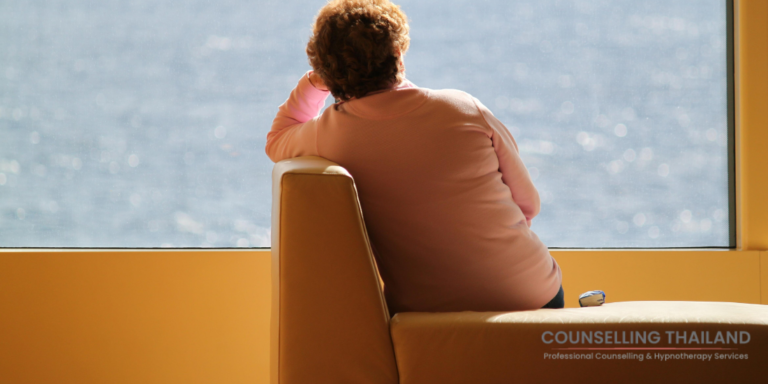
Isolation is the experience of feeling separated from others, either mentally or emotionally. It can happen when someone spends time alone for too long, has limited social interaction, or feels disconnected from the people around them. Sometimes isolation is visible, such as living far away from family or friends. Other times it is more subtle, when someone is surrounded by people but still feels alone inside.
It is important to remember that feeling isolated is a normal human experience. Many people go through periods in life when they feel disconnected, especially during times of change, stress, or uncertainty. However, feeling like this is common and may simply be a sign that you need more connection, understanding, or support.
This blog will help you understand what isolation is, the signs and causes behind it, and practical steps to manage it. You will also discover ways to find the right support and begin building stronger connections again.
Causes of Isolation
Isolation can develop for many different reasons. Sometimes it is linked to life circumstances, while other times it may be connected to emotional challenges or difficulties in social relationships. Understanding these causes can help people recognise why they may feel disconnected and take steps to rebuild meaningful connections.
Living alone
Living alone does not always mean someone will feel isolated, but it can increase the risk. Without regular daily interaction with others, some people may begin to feel disconnected, especially if they do not have a strong social network or opportunities to socialise.
Bullying
Being bullied at school, at work, or online can deeply affect a person’s confidence and sense of safety. Over time, individuals who experience bullying may withdraw from social situations to protect themselves, which can lead to isolation and loneliness. If this happens to a child, child therapy or Teen Counselling can help by providing a safe space for them to express their feelings, rebuild confidence, and learn healthy ways to cope with difficult experiences.
Remote work
While remote work offers flexibility and convenience, it can also reduce face-to-face interaction with colleagues. Without casual conversations, team activities, or shared workspaces, some people may begin to feel disconnected from others. Joining local communities, such as expat groups, social clubs, or hobby groups, can help create opportunities to meet people, build friendships, and maintain a sense of connection outside of work.
Relationships without emotional connection
Sometimes people are surrounded by friends, family, or partners but still feel isolated. This can happen when there is a lack of emotional closeness, open communication, or mutual understanding within relationships. In these situations, couples therapy can help partners better understand each other, improve communication, and rebuild emotional connection.
Language barriers
For people living in a new country, language differences can make everyday communication more difficult. This can make it harder to form friendships, participate in social activities, or feel fully included in the community.
Health problems
Physical health conditions or emotional challenges can limit a person’s ability to go out, socialise, or participate in activities they once enjoyed. Over time, this can reduce social interaction and increase feelings of social disconection.
Social anxiety
People with social anxiety often feel nervous, self-conscious, or fearful in social situations. These feelings may cause them to avoid gatherings or conversations, which can make it more difficult to build and maintain relationships.
Moving to a new place
Major life changes like moving to a new city or country can disrupt existing friendships and support systems. While it can be an exciting change, it may also take time to adjust, build new connections, and feel a sense of belonging again. If you have recently moved to Thailand, you may find it helpful to read our blogs “Moving to Thailand” and “Living in Thailand” for practical guidance on settling in, understanding the culture, and building a new routine.

Isolation vs Loneliness
Isolation and loneliness are often used interchangeably, but they are not exactly the same. While they are related, they describe different experiences.
Isolation usually refers to a lack of social contact or interaction with others. It is more about the physical or social situation someone is in. For example, a person who lives alone, works remotely, or has very limited contact with others may experience disconnection.
Loneliness, on the other hand, is an emotional feeling of being alone or disconnected, even if a person is surrounded by others. Someone can have friends, family, or colleagues around them but still feel lonely if they do not feel understood, supported, or emotionally connected.
In simple terms, isolation is about the absence of social interaction, while loneliness is about the feeling of being alone. A person can be isolated without feeling lonely, and someone can feel lonely even when they are not physically isolated.
To learn more about loneliness, we recommend reading our dedicated page, “Loneliness.”
How Being Isolated Affects Your Wellbeing
Feeling isolated can have a significant impact on both physical and emotional wellbeing, especially when it continues for a long time. Humans are naturally social beings, and meaningful connections with others play an important role in maintaining overall health. When these connections are limited or absent, it can affect how people feel, think, and function in daily life.
Emotional effects
People experiencing isolation may begin to feel lonely, sad, or disconnected from others. Over time, these feelings can lead to low mood, reduced self-esteem, and a sense of emptiness. Some individuals may also experience increased stress, depression, anxiety, or feelings of hopelessness when they feel they have no one to share their thoughts or experiences with.
Reduced motivation and energy
Social disconnection can sometimes affect a person’s motivation to engage in daily activities. People may feel less interested in hobbies, work, or social interactions, which can further increase the sense of disconnection.
Physical health effects
Social isolation can also affect the body. This may contribute to fatigue, sleep problems, changes in appetite, and increased stress levels. When this isolated feeling continues for a long time, it can weaken overall wellbeing and make it harder for people to maintain healthy routines.
Recognising these effects is important, as it highlights how valuable social connection and support are for both emotional and physical health.
How to Cope with Social Isolation
While feeling isolated can feel overwhelming, there are many small and meaningful steps people can take to reconnect with others and improve their wellbeing. Building connection often starts with simple actions that gradually help restore a sense of belonging and support.
Joining social groups or classes
Participating in community groups, hobby clubs, or classes can be a great way to meet people with similar interests. Whether it is a language class, fitness group, or creative workshop, shared activities can help create natural opportunities for connection.
Volunteering
Volunteering allows people to contribute to their community while also meeting others who care about the same causes. Helping others can create a sense of purpose and provide meaningful social interaction.
Seeking support from a therapist
Talking with a therapist can help individuals understand their feelings and explore ways to rebuild connection. An experienced therapist can provide a safe and supportive space to discuss challenges and develop strategies to improve emotional wellbeing.
Parents listening to their children
For young people, feeling heard and understood by parents or caregivers is very important. When parents take the time to listen without judgment, it helps children feel supported and less alone in their experiences.
However, if a child or teenager continues to struggle with feelings isolated, sadness, or difficulty connecting with others, professional support may help. Child therapy or teen counselling can provide a safe and supportive environment where young people can talk openly about their feelings, develop coping skills, and build confidence in their relationships.
Strengthening existing relationships
Reaching out to friends, family members, or colleagues can help rebuild connection. Even small actions, such as sending a message, making a phone call, or meeting for a short conversation, can help strengthen relationships.
Building routines that include social contact
Creating daily or weekly routines that involve interacting with others can help reduce feelings of isolation. This might include regular coffee with a friend, attending a weekly class, or scheduling time to speak with loved ones. Over time, these small connections can make a meaningful difference in overall wellbeing.

FAQs
What are the common signs of social isolation?
Common signs include rarely seeing or speaking with others, having a limited social network, spending most of your time alone, avoiding social situations, and feeling anxious or uncomfortable about interacting with people.
Is feeling isolated temporary or permanent?
Isolation can be either temporary or long-term depending on the situation. Many people experience temporary social disconection during life changes such as moving, starting a new job, or dealing with health issues. With the right support and social connection, feeling isolated can often improve over time.
Is it normal to feel isolated sometimes?
Yes, it is normal to feel isolated at certain times in life. Many people experience periods of disconnection, especially during stressful situations or major life transitions. However, if these feelings continue for a long time, it may be helpful to seek support.
How can I share with others that I am experiencing social isolation?
It can feel difficult to talk about being isolated, but starting with someone you trust can help. You might choose a close friend, family member, or colleague and share how you have been feeling. Being open about your experience can help others understand and provide support.
When should someone seek support?
It may be helpful to seek support if feeling isolated begins to affect your emotional wellbeing, relationships, or daily functioning. Reaching out early can help prevent feelings of disconnection from becoming more overwhelming.
How can therapy help with isolation?
An experienced therapist can help people explore the reasons behind their problem and develop ways to reconnect with others. Therapy provides a supportive space to talk about your experiences, build confidence in social situations, and develop healthier coping strategies.
How to Get Started with a Free Initial Consultation
At Counselling Thailand, we understand the importance of finding the right therapist for addressing your concerns and needs. That’s why we offer a free initial 15 minute consultation for individuals and 30 minutes for couples and families before booking your first therapy appointment.
First, complete our online client enquiry form. This will give a little extra information to help us select whom we believe the most suitable therapist would be and then we can email you a list of available appointment times for the free initial call.
During this consultation, we will discuss your specific situation and determine whether our approach aligns with your needs. We will also answer any questions you may have. If you decide to proceed with counselling, we can then schedule the first full session(s) at a mutually convenient time.
If you have any questions before booking the free initial call you can either visit our Frequently Asked Questions Page, or mention these whilst completing the online enquiry form.