


Stress

Stress Reduction: Practical Ways to Reduce Stress in Daily Life
Stress is the body’s natural response to pressure or challenges. It happens when you feel overwhelmed, threatened, or unable to cope with a situation. Stress can show up in small ways, like feeling overwhelmed by a long to-do list, or in bigger ways, such as pressure from work, social media comparisons, relationships, or tight deadlines that never seem to end. People might notice it when they struggle to fall asleep at night, feel irritable for no clear reason, or find that even simple tasks start to feel exhausting.
Although stress is a normal part of life, it can have a serious impact if it builds up over time. Having constant stress can lead to anxiety, low energy, poor sleep, and difficulty concentrating. In the long run, it can also impact your physical health and relationships.
In this blog, we will learn practical and realistic ways to reduce stress in our daily life. We will also explore common triggers of stress and where to find the right support when we need it.
Common Triggers of Stress
Stress is often linked to specific situations or patterns in daily life. Recognising these triggers can make it easier to understand your reactions and begin making small, meaningful changes.
Work
This can happen when you have too much to do or feel constant pressure to perform. Over time, this can lead to burnout and exhaustion.
Academic pressure
Some children or teens may feel stressed from exams, assignments, or expectations from teachers and family to succeed. Ongoing academic pressure can affect confidence, motivation, and emotional wellbeing. For children and teenagers, child therapy or teen counselling can provide support in managing stress, emotions, and healthy coping skills.
Financial concerns
Worrying about money, paying bills, or managing debt can create ongoing stress and uncertainty.
Relationships
Conflicts, lack of communication, poor boundaries, or codependent relationship patterns with other people can be emotionally draining and increase stress. Learning healthier communication and boundaries can help improve relationships, while couples counselling or relationship therapy may provide support in working through ongoing challenges.
Family issues
Responsibilities, expectations, or personal problems within the family can add pressure and emotional strain.
Health issues
Dealing with illness, chronic pain, or low energy can affect both physical comfort and mental well-being.
Social media and comparison
Constant exposure to social media and self-comparison can lead to feelings of inadequacy, pressure, or low self-esteem, especially when comparing your everyday life to online images of others.
Life changes
Big transitions like moving to a new country, losing someone, starting a new job, or adjusting to a new culture can feel overwhelming, even if they are positive changes.
If you have recently moved to Thailand or are adjusting to life in Thailand, you may also find our pages on “Moving to Thailand” and “Living in Thailand” helpful.
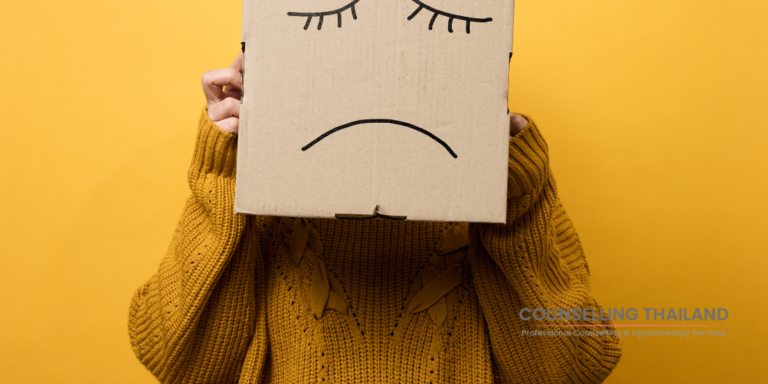
Stress vs Anxiety
Stress and anxiety are sometimes used interchangeably, but they are not the same. Having stress is usually a response to an external cause, such as work pressure or life challenges. It tends to be short-term and often goes away when the situation is resolved.
Anxiety, on the other hand, is more internal. It can occur even when there is no clear or immediate threat. Anxiety often involves ongoing worry, nervousness, or fear that does not easily go away and can feel harder to control.
While stress is a normal part of life, ongoing or intense anxiety may need more attention and support. Understanding the difference can help you recognise what you are experiencing and choose the right way to manage it.
Practical Ways to Manage Stress in Daily Life
Build healthy daily habits
Your body and mind are connected. When you do not get enough sleep, skip meals, or stay inactive, stress can feel worse. Aim for regular sleep, gentle exercise like walking, and balanced meals to support your energy and mood.
Practice breathing and mindfulness
When you feel stressed, your body becomes tense. Simple breathing techniques like slowly inhaling and exhaling can calm your nervous system. Even a few minutes of meditation or quiet time can help clear your mind.
Use the 5-4-3-2-1 grounding technique
Grounding technique is a simple exercise to bring your attention back to the present moment when you feel overwhelmed:
- 5 things you can see
- 4 things you can feel (e.g., your clothes, the chair, the ground)
- 3 things you can hear
- 2 things you can smell
- 1 thing you can taste
This technique helps reduce anxious thoughts by focusing on your senses.
Doing creative activities
Activities like drawing, listening to music, dancing, or exercising can help you release stress. They give your mind a break from overthinking and allow you to express emotions in a healthy way.
Manage your time and set boundaries
Stress often comes from feeling overwhelmed. Breaking tasks into smaller steps, prioritising what is important, and saying “no” when you have too much on your plate can help reduce pressure.
To learn how to set healthy boundaries, we recommend reading our page on Boundaries.
Limit social media
Spending too much time online can lead to comparison and information overload. Taking breaks or setting limits can help you feel more present and less mentally drained.
Connect with others
Talking to someone you trust can make a big difference. Friends and family can offer support, understanding, or simply a space for you to share how you feel.
Seek professional support
If stress feels constant or difficult to manage, speaking to experienced therapists can help. They can guide you with coping strategies and provide a safe, non-judgmental space to talk.

When to Seek Professional Support
Take a moment to explore how you have been feeling. If stress is starting to feel unmanageable, becoming more frequent or intense, or affecting your work, personal life, or relationships, it may be time to consider professional support. You might notice signs like constant overwhelm, difficulty concentrating, emotional exhaustion, or withdrawing from others.
Counselling can help you understand the root causes of your stress, develop practical coping strategies, and provide a safe, non-judgmental space to talk.
At Counselling Thailand, we offer counselling with experienced therapists in both English and Thai, including 15-minute-free initial consultations, making it easier to find the right help. Seeking support is a positive and healthy step towards taking care of your well-being.

FAQs
1.What is stress?
Stress is the body’s natural response to pressure, challenges, or overwhelming situations.
2.Why do I feel stressed without a clear reason?
Sometimes stress can build up gradually from daily pressures, lack of rest, overthinking, or emotional exhaustion, even if there isn’t one obvious cause.
3.Is stress always bad?
Not always. Short-term stress can help motivate you and keep you focused, but long-term stress can affect your mental and physical health.
4.How can I reduce stress quickly?
Deep breathing, grounding techniques, taking a short walk, listening to music, or talking to someone you trust can help calm stress in the moment.
5.What are the long-term effects of stress?
Ongoing stress can lead to burnout, anxiety, sleep problems, low energy, headaches, and difficulty concentrating.
6.How can counselling help with stress?
Counselling can help you better understand your stress triggers, develop healthier coping strategies, and provide a safe, supportive space to talk openly about what you are experiencing.
7.Why do I feel stressed every day?
Daily stress can come from a combination of ongoing pressures, such as work, school, finances, or relationships. Without enough time to rest, process, or switch off, this can build up over time and lead to a constant feeling of being overwhelmed or on edge.
How to Get Started with a Free Initial Consultation
At Counselling Thailand, we understand the importance of finding the right therapist for addressing your concerns and needs. That’s why we offer a free initial 15 minute consultation for individuals and 30 minutes for couples and families before booking your first therapy appointment.
First, complete our online client enquiry form. This will give a little extra information to help us select whom we believe the most suitable therapist would be and then we can email you a list of available appointment times for the free initial call.
During this consultation, we will discuss your specific situation and determine whether our approach aligns with your needs. We will also answer any questions you may have. If you decide to proceed with counselling, we can then schedule the first full session(s) at a mutually convenient time.
If you have any questions before booking the free initial call you can either visit our Frequently Asked Questions Page, or mention these whilst completing the online enquiry form.