


Long Distance Relationships
Long Distance Relationships for Thai and Foreigner Couples Table of Contents Long Distance Relationships for Thai and Foreigner Couples What Makes Long-Distance Relationships So Difficult? When Distance Starts Affecting the Relationship How to Make a Long-Distance Relationship Work How Couples Therapy Can Help Long-Distance Relationships Online Couples Therapy with Counselling Thailand Long Distance Relationships: A […]
Self Comparison
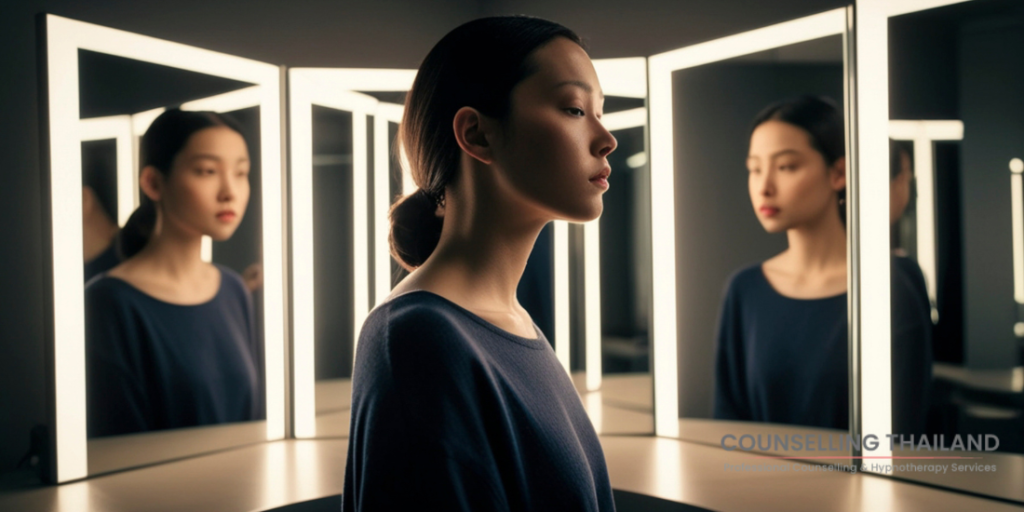
Self-comparison is the habit of constantly measuring yourself against others, their lives, their achievements, their appearance, or their progress. It can happen almost without noticing, especially through social media or everyday interactions, but for many people, it can also have deeper roots in childhood experiences, such as early comparisons, expectations, or feeling valued based on performance. While it may begin as motivation, it often becomes something more damaging, gradually increasing stress, undermining self-esteem, and reinforcing the belief that you are not quite where you should be.
Stress

Stress is the body’s natural response to pressure or challenges. It happens when you feel overwhelmed, threatened, or unable to cope with a situation. Stress can show up in small ways, like feeling overwhelmed by a long to-do list, or in bigger ways, such as pressure from work, social media comparisons, relationships, or tight deadlines that never seem to end. People might notice it when they struggle to fall asleep at night, feel irritable for no clear reason, or find that even simple tasks start to feel exhausting.
Although stress is a normal part of life, it can have a serious impact if it builds up over time. Having constant stress can lead to anxiety, low energy, poor sleep, and difficulty concentrating. In the long run, it can also impact your physical health and relationships.
boundaries

A boundary is a limit you set to define what is okay for you and what is not, in how others treat you, and how you use your time and energy. One simple way to understand this is to imagine a personal space around yourself, like a wall, a fence, or a border.
resentment
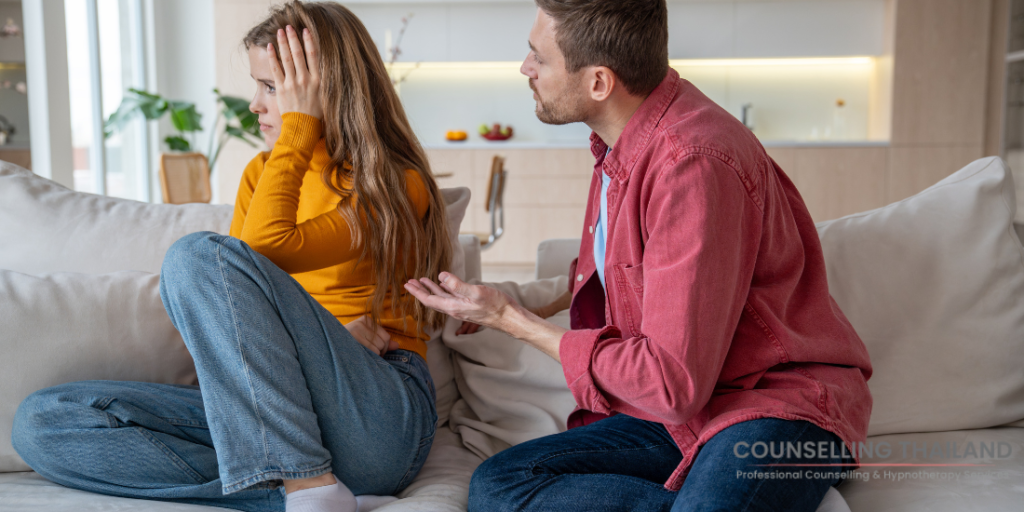
Resentment is a feeling that builds up slowly over time. It often starts from anger or hurt that has not been fully dealt with, especially when the same problems happen again and again. You might begin to feel unappreciated, treated unfairly, or ignored, and those feelings can stay with you instead of going away. It is important to know that it is okay to feel this way and to accept your emotions without judging yourself.
Anger
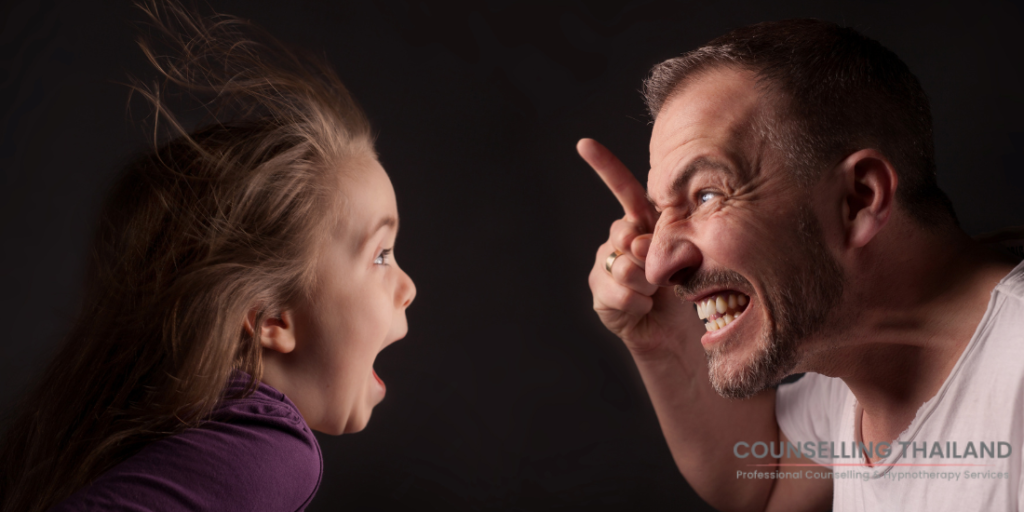
Anger is a natural emotional response that many people might experience at some point. It can appear when people feel hurt, misunderstood, treated unfairly, or overwhelmed. This does not make someone a bad person; in many cases, anger could be a signal that something important needs attention. Like many emotions, anger can come and go in waves. Some people might feel completely in control most of the time, and then suddenly find themselves reacting more strongly than expected. This is completely natural.
loneliness
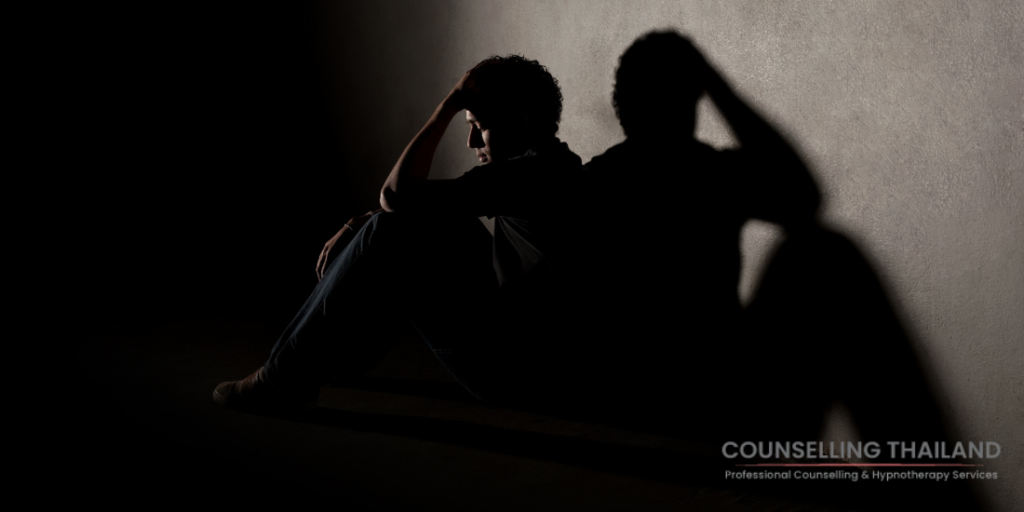
Loneliness is more than just being alone. It is the feeling of being emotionally disconnected from others. A person can be surrounded by people, friends, family, coworkers, and still feel deeply lonely.At its core, loneliness happens when people do not feel understood, supported, or genuinely connected to others. A person may be talking and laughing with people around them, but still feel that something is missing.
Isolation

Isolation is the experience of feeling separated from others, either physically or emotionally. It can happen when someone spends long periods alone, has limited social interaction, or feels disconnected from the people around them. Sometimes isolation is visible, such as living far away from family or friends. Other times it is more subtle, when someone is surrounded by people but still feels alone inside.
living in Thailand
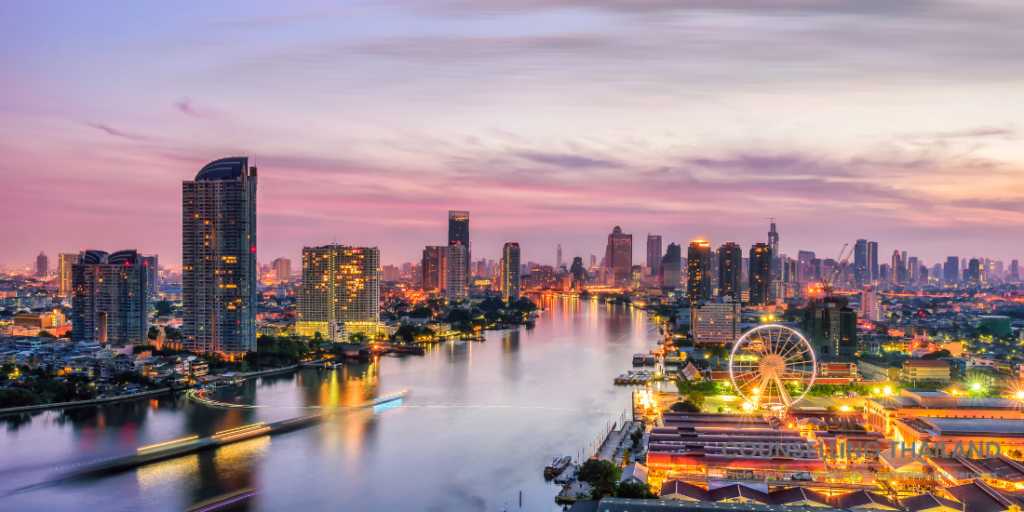
Living in Thailand is not just a practical move, it is also an emotional transition. Many people arrive with a sense of possibility, attracted by the culture, climate and lifestyle. But at the same time however, daily life in a new country often feels more emotionally demanding than expected. Routines change and familiar support networks are far away and it can take time to feel truly settled.
Eating disorders

An eating disorder is a condition that affects a person’s relationship with food, eating habits, and body image. It may involve eating too much, eating too little, or becoming overly concerned with weight, appearance, or food. Eating disorders can affect people of all genders, ages, and cultural backgrounds. While they are sometimes associated with young women, anyone can experience difficulties with eating and body image.